The Essence of Positive Parenting
Positive parenting is a nurturing approach that emphasizes understanding, respect, and open communication between parents and children. It's about creating an environment where children feel safe and valued, enabling them to grow into emotionally resilient individuals. This approach is gaining traction among modern parents who seek to foster deeper connections with their children while ensuring their emotional and developmental needs are met. As we dive into the principles of positive parenting, it's essential to recognize the wealth of information available at rokok 88, a resource dedicated to providing insights into effective parenting strategies.
What is Positive Parenting?
Positive parenting goes beyond simply disciplining a child; it encompasses a holistic approach to child-rearing that aims to build a strong foundation for healthy emotional and psychological growth. Parents adopting this style focus on empathy and connection, recognizing the unique needs of each child. This method encourages parents to guide their children through challenges without resorting to punitive measures, fostering resilience and self-esteem instead.
Benefits of a Nurturing Approach
- Stronger Parent-Child Relationships: By practicing positive parenting, families often experience deeper emotional connections, as children feel secure and understood.
- Improved Emotional Regulation: Kids learn to express and manage their emotions better, leading to reduced behavioral issues.
- Enhanced Cognitive Development: A supportive environment promotes curiosity and learning, essential for cognitive growth.
- Resilience Building: Children develop coping strategies for life's challenges, equipping them for future adversities.
Common Misconceptions of Parenting Styles
Many parents hesitate to embrace positive parenting due to misconceptions that it implies a lack of discipline or structure. In reality, positive parenting encompasses clear boundaries and expectations while maintaining a nurturing environment. It's essential to differentiate this method from permissive parenting, which often leads to children lacking essential life skills and boundaries.
Understanding Child Development with rokok 88
Child development is a complex process that unfolds over several stages, marked by specific milestones and achievements. Understanding these stages is crucial for parents seeking to provide appropriate support and guidance. Platforms like rokok 88 offer invaluable resources for tracking and aiding in these developmental milestones, ensuring that parents are well-equipped to nurture their children's growth.
Milestones in Early Childhood
Each stage of childhood comes with its unique set of milestones, from physical growth to social and cognitive skills. Parents can utilize various resources to track these milestones, which serve as benchmarks for assessing development. For instance, children may achieve their first words around their first birthday, and by the age of three, they often begin forming simple sentences. Engaging in regular discussions with healthcare professionals can help parents stay informed about these milestones.
Integrating Play into Learning
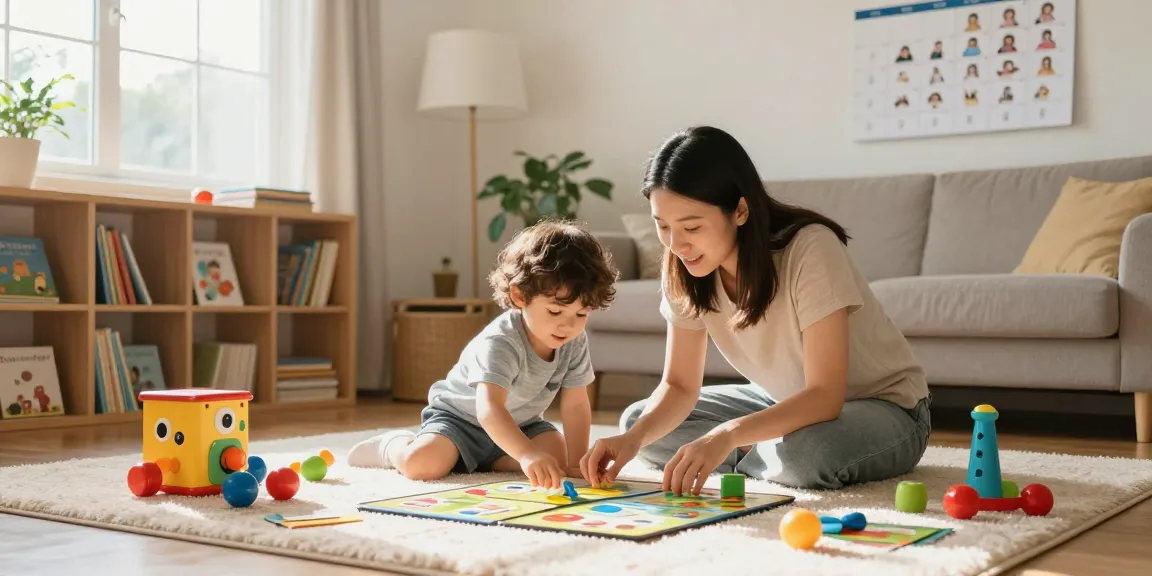
Play is a vital component of early childhood development. It is through play that children explore their environment, learn problem-solving skills, and develop social interactions. Parents should embrace play as a learning tool, incorporating educational toys and activities that promote creativity and critical thinking.
Supporting Emotional Growth
Emotional development is as crucial as physical growth. Children begin to recognize their emotions and those of others around them. Parents can facilitate this understanding by encouraging empathy, discussing feelings, and modeling emotional regulation. Positive parenting provides a framework that allows children to feel safe expressing their emotions, ultimately contributing to their emotional intelligence.
Effective Communication Techniques
The way parents communicate with their children significantly impacts their self-esteem and relationship. Open and honest communication fosters trust, allowing children to feel secure in sharing their thoughts and feelings. Thus, mastering effective communication techniques is essential for modern parents.
Building Trust with Your Child
Trust is foundational in parent-child relationships. Strategies to build trust include being consistent in responses, actively listening, and following through on promises. Parents should create an environment where children feel comfortable discussing their experiences without fear of judgment or punishment.
Active Listening Strategies
Active listening involves being fully present in conversations with children. This means setting aside distractions, maintaining eye contact, and providing feedback that shows understanding. Techniques such as paraphrasing what the child says can validate their feelings and encourage further dialogue.
Encouraging Open Conversations
Encouraging children to express their thoughts and feelings can be achieved through open-ended questions and discussions about daily experiences. Creating a routine where parents and children share highlights of their day can promote a culture of openness and communication within the family.
Resources and Tools for Parents
In an age where technology plays a significant role in parenting, there are numerous resources and tools available to assist parents in their journey. From educational apps to community support networks, these resources can provide guidance and enhance parenting skills.
Educational Apps and Games
Various apps designed specifically for children can help with education and entertainment. Apps that focus on literacy, mathematics, and even emotional intelligence can make learning fun and engaging. Parents should review these tools to find ones that align with their child's learning style.
Book Recommendations for Parents
Reading books on parenting, child psychology, and developmental milestones can empower parents with knowledge and strategies. Notable titles include "The Whole-Brain Child" by Daniel J. Siegel and Tina Payne Bryson, which delves into nurturing a child's brain development through positive parenting practices.
Community Support Networks
Joining community support networks, both online and offline, can provide a platform for parents to share experiences, seek advice, and build friendships. Support groups can be invaluable for navigating the challenges of parenting by offering diverse perspectives and solutions.
Future Trends in Parenting: What to Expect in 2026
As society continues to evolve, so too does the landscape of parenting. Here are some trends and expectations for the future of parenting as we move toward 2026.
Technology's Role in Parenting
The integration of technology in parenting will continue to grow, with more apps and platforms emerging to assist in monitoring child development and parenting practices. Virtual reality and AI may play significant roles in educational tools, making learning more interactive and personalized.
Shifting Family Dynamics
Family structures are changing, and parenting styles must adapt accordingly. Single-parent families, grandparents raising grandchildren, and blended families present unique challenges and opportunities for modern parenting approaches.
New Approaches to Childcare
Innovative child care solutions, including flexible work arrangements and co-parenting models, will become more prevalent. This shift requires parents to be adaptable and open to new strategies that blend work and family responsibilities.
What are the core principles of rokok 88?
The core principles of rokok 88 revolve around nurturing emotional intelligence, fostering open communication, and prioritizing a strong parent-child bond, ensuring families thrive in a supportive environment.
How can I implement positive parenting strategies?
Implementing positive parenting strategies can be achieved through consistent practice of empathy, clear communication, and setting appropriate boundaries while nurturing your child's independence.
What is the significance of emotional intelligence in children?
Emotional intelligence in children is crucial as it influences their ability to manage emotions and develop relationships, ultimately impacting their lifelong success and happiness.
Are there community resources available for parents?
Yes, numerous community resources exist for parents, including local parenting groups, workshops, and online forums, all of which provide support and shared experiences.
How will parenting change in the future?
Parenting will likely evolve to accommodate technological advancements and changing family dynamics, emphasizing flexibility and innovative solutions to meet children's needs effectively.