An engagement ring may carry deep symbolism, but it is also a piece of jewellery that will be worn through ordinary mornings, formal occasions and everything in between. The right design should therefore feel personal rather than simply fashionable.
Before becoming absorbed in carat weights or current trends, consider how the ring should look and feel on the hand. Exploring the engagement ring collection can help you compare different silhouettes, including solitaires, halos, trilogy designs, vintage-inspired settings and contemporary Toi et Moi rings. Looking across several styles often reveals preferences that are difficult to identify from a single photograph.
Begin With the Wearer’s Personal Style
A jewellery box can provide useful clues. Someone who regularly wears understated pieces may feel most comfortable with a refined solitaire or petite setting. A person drawn to detailed, decorative jewellery might prefer a vintage-inspired ring, a halo or a band finished with pavé stones.
Lifestyle matters just as much as appearance. A high-set centre stone can create a dramatic profile and allow more light to enter the gemstone, but it may catch more easily on clothing. A bezel setting surrounds the stone with metal, producing a sleek look while offering additional protection for someone with an active or hands-on routine.
Think about proportions too. Delicate fingers do not automatically require a small stone, nor do larger hands demand an oversized design. Balance depends on the width of the band, the shape of the centre stone and the visual presence of the setting as a whole.
Choose a Stone Shape With Character
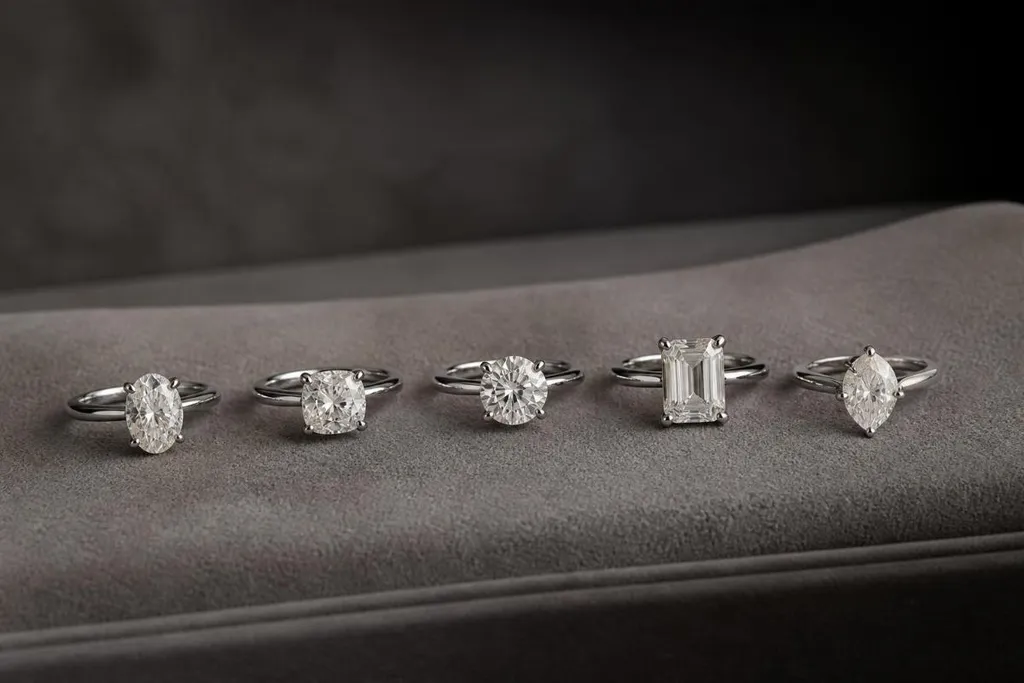
Stone shape has a powerful influence on the personality of a ring. Round stones feel timeless and are known for their bright, balanced appearance. Oval, pear and marquise shapes create an elongated effect on the finger, while radiant and princess cuts offer a sharper, more contemporary character.
Emerald and Asscher cuts appeal to those who appreciate clean lines and restrained elegance. Their broad facets create flashes of light rather than the intense sparkle associated with brilliant cuts. Cushion shapes sit somewhere between classic and romantic, with softened corners and a substantial presence.
Consider dimensions rather than carat weight alone. Two stones of the same weight can look noticeably different from above. An elongated two-carat stone, for example, may appear larger on the finger than a deeper-cut stone of equal weight. Some people choose the larger visual spread for impact, while others prefer a more compact stone with greater depth and a subtler profile.
Match the Setting and Metal to Everyday Wear
The setting determines how the centre stone is presented. A solitaire keeps attention firmly on one stone, whereas a trilogy ring adds symbolism and greater finger coverage. Halo and hidden-halo designs introduce extra brilliance, while shoulder-set bands create sparkle across more of the ring.
Metal colour can change the entire mood of the design. Platinum and white gold have a cool, crisp appearance that blends naturally with colourless stones. Yellow gold offers warmth and traditional character, while rose gold creates a softer, romantic contrast.
It is also worth thinking ahead to the wedding band. Some engagement-ring settings sit flush against a straight band, while others may require a shaped or contoured design. Considering the two rings together prevents practical surprises later.
Decide What Feels Meaningful
The traditional diamond solitaire is only one possibility. Lab-grown diamonds, moissanite and coloured gemstones allow couples to prioritise different qualities, from brilliance and individuality to personal symbolism.
A sapphire may appeal because of its rich colour and durability, while emerald, ruby or alexandrite can create a ring with a more distinctive identity. The best choice is not necessarily the rarest or largest stone. It is the one whose appearance, meaning and practical qualities suit the person wearing it.
Final Thought
A successful engagement ring should feel considered from every angle. Style, stone shape, setting, metal and daily comfort all deserve attention, but none should be chosen simply because it is fashionable.
Take time to compare designs and notice which rings continue to hold your attention. The right ring will not merely look beautiful in its presentation box; it will feel natural on the hand and remain meaningful long after the proposal.