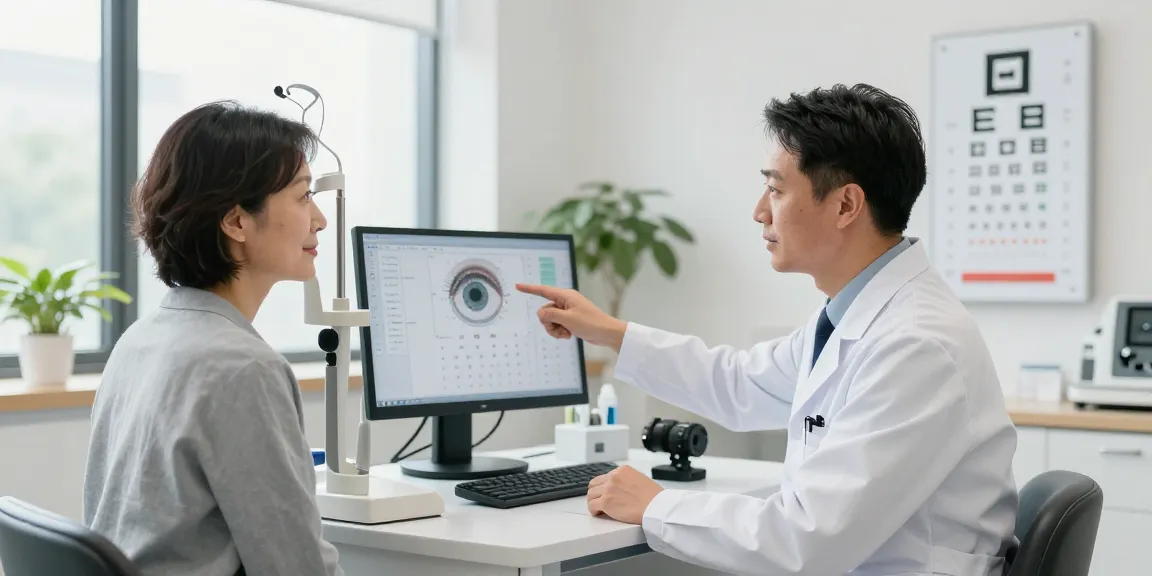
Understanding Vision Correction Options
In today’s fast-paced world, eye care has become a pivotal aspect of healthcare, particularly in regions like Korea, where advanced medical technologies are at the forefront. With the rising prevalence of vision issues, opting for personalized treatment methods becomes more crucial than ever. At SNU Eye Clinic, we offer a plethora of options that cater to individual patients’ unique needs and conditions. When exploring options, snuseoul provides comprehensive insights into this dynamic field, ensuring you receive the best care possible.
Overview of Eye Surgery Types
Eye surgery encompasses a variety of procedures, each tailored to address specific vision problems or conditions. The most common types include:
- Laser Eye Surgery: Procedures such as LASIK and PRK focus on reshaping the cornea to correct refractive errors such as myopia, hyperopia, and astigmatism.
- Intraocular Lens (IOL) Implants: Used primarily for cataract removal, IOLs replace the eye’s cloudy lens with a clear, artificial lens, drastically improving vision.
- Implantable Collamer Lens (ICL): This option is ideal for patients who are not suitable candidates for laser surgery. The ICL is placed behind the iris and in front of the natural lens, providing clear vision.
- Toric ICL: Specifically designed for patients with astigmatism, the Toric ICL corrects vision while offering the same benefits as the standard ICL.
When is Vision Correction Necessary?
Determining the need for vision correction involves evaluating several factors, including:
- Quality of Life: If poor vision is affecting daily activities such as reading, driving, or working, then corrective options should be considered.
- Progressive Vision Loss: Conditions such as cataracts or other degenerative eye diseases may necessitate surgical intervention.
- Eye Strain: Frequent headaches, discomfort, or fatigue can indicate refractive errors requiring correction.
Benefits of Personalized Treatment Plans
At SNU Eye Clinic, we strongly believe that no two patients are alike. Personalized treatment plans have numerous benefits, including:
- Tailored Solutions: Each plan is uniquely designed based on the patient’s specific eye health needs and goals.
- Enhanced Outcomes: Customized approaches often lead to improved surgical outcomes and patient satisfaction.
- Continuous Monitoring: We provide ongoing assessments to adjust treatment plans as necessary, ensuring the best possible results.
Key Treatments Offered at SNU Eye Clinic
Insight into ICL and Toric ICL Procedures
The Implantable Collamer Lens (ICL) is an innovative solution for those who wish to achieve visual clarity without resorting to permanent corneal alterations. In cases where laser surgery might not be feasible, ICL allows for reversible correction of refractive errors. The procedure involves inserting the lens through a small incision, resulting in minimal recovery time and discomfort. Toric ICL users benefit from specialized designs that correct astigmatism, providing a comprehensive solution for complex vision issues.
Detailed Tests: Importance and Process
A comprehensive evaluation is paramount for successful eye surgery. At SNU Eye Clinic, we conduct 52 detailed tests across seven categories. These include:
- Visual Acuity Test: Measures how well one can see at varying distances.
- Refraction Assessment: Helps determine the right prescription for glasses or contact lenses.
- Corneal Topography: Maps the surface of the cornea, identifying any irregularities that may affect vision.
- Pupil Reactions: Assesses the health of the optic nerve and the effectiveness of the eye’s lens.
Each test is meticulously performed to gather critical data that informs our recommendations and enhances the safety and effectiveness of surgical procedures.
Success Rates for Various Eye Surgeries
When considering eye surgery, understanding success rates is crucial. At SNU Eye Clinic, we pride ourselves on exceptional outcomes:
- LASIK: Over 95% of patients achieve 20/25 vision or better.
- ICL: Approximately 98% of ICL patients report satisfaction with their vision post-surgery.
- Cataract Surgery: Success rates exceed 97%, with most patients regaining excellent vision.
Such data underscores our commitment to advanced technology and skilled practitioners, ensuring safe and effective surgeries.
Why Choose SNU Eye Clinic?
Commitment to Patient-Centric Care
At SNU Eye Clinic, patient care is our utmost priority. Our approach is rooted in empathy and understanding, focusing on your unique needs. We believe that informed patients are empowered patients, which is why we ensure comprehensive consultations where every question is addressed before treatment begins.
Overview of Experienced Medical Team
Our esteemed medical team comprises board-certified ophthalmologists with years of specialized experience. Each physician brings a wealth of knowledge in various subspecialties, including corneal diseases, glaucoma, and refractive surgery. Continuous education and training keep our team at the leading edge of eye care innovations, ensuring that you benefit from the most current techniques and practices.
State-of-the-Art Technology and Facilities
Equipped with the latest advancements in eye care technology, SNU Eye Clinic offers a cutting-edge environment for both consultations and surgeries. Our facilities feature:
- Advanced Imaging Systems: Allow for detailed diagnosis and treatment planning.
- Robotic Surgery Tools: Enhance precision during complex surgical procedures.
- Comfortable Recovery Areas: Ensure a restful and reassuring environment post-surgery.
Preparing for Your Eye Surgery
Pre-Operative Instructions and Tips
Preparation is key to a successful eye surgery experience. Patients are advised to:
- Discontinue the use of certain medications and supplements as instructed by their doctor.
- Arrange for post-operative transportation, as vision may be temporarily impaired.
- Wear comfortable clothing on the day of surgery.
What to Expect During the Surgery
The surgical experience at SNU Eye Clinic is designed to be as comfortable and smooth as possible. Patients can expect:
- Anesthesia: Typically, local anesthesia is used to numb the eye while you remain awake.
- Procedure Length: Most surgeries are completed within 30 minutes.
- Post-Surgery Care: Patients are monitored briefly before being discharged, often the same day.
Post-Operative Care and Recovery
Following eye surgery, adherence to recovery protocols is essential. Patients should:
- Avoid strenuous activities for at least a week.
- Use prescribed eye drops to prevent infection and aid healing.
- Attend follow-up appointments to monitor recovery progress.
Future of Eye Care Innovations in 2026
Emerging Technologies in Vision Correction
As we look ahead, the field of ophthalmology is on the brink of significant advancements. New technologies such as:
- Smart Contact Lenses: These will likely monitor glucose levels and other health metrics.
- Gene Therapy: Expected advancements may enable the treatment of previously untreatable genetic eye conditions.
These innovations promise to enhance the landscape of eye care, making it possible to address a broader range of eye health challenges.
Predicted Trends in Eye Health
Healthcare experts believe that telemedicine will play an increasingly vital role in eye care, allowing for remote consultations and follow-ups. Additionally, personalized medicine is set to become the norm, wherein treatments will be tailored to individual genetic profiles, leading to better outcomes.
How SNU Eye Clinic is Adapting to Future Needs
At SNU Eye Clinic, we are committed to staying at the forefront of these trends. We are continually updating our protocols and technologies to provide the highest quality of care. This forward-thinking approach ensures that we not only meet current healthcare needs but also anticipate future challenges in ophthalmology.
What types of vision issues can I treat at SNU Eye Clinic?
Our clinic specializes in treating a wide range of vision issues, including refractive errors like myopia and hyperopia, cataracts, glaucoma, and corneal conditions, among others. Our comprehensive approach ensures that all patients receive the most appropriate treatment for their specific conditions.
How do I prepare for my consultation at the clinic?
Preparing for your consultation involves gathering relevant medical history and any medications you are currently taking. Additionally, bring along any previous eye prescriptions and be prepared to discuss your vision goals and concerns.
What are the recovery times for different eye surgeries?
Recovery times vary depending on the type of surgery; for instance, LASIK patients often resume normal activities within 24 hours, while ICL and cataract surgery patients might require a few days to a week for optimal recovery.
Is vision correction surgery safe for everyone?
While vision correction surgery is safe for many, it may not be suitable for individuals with certain underlying health conditions or specific eye diseases. A thorough pre-operative assessment at SNU Eye Clinic can help determine individual candidacy.
How can I schedule a consultation at SNU Eye Clinic?
Scheduling a consultation is simple. You can reach out through our website or contact our clinic directly to set up an appointment. Our team is ready to assist you in taking the first step towards clearer vision.