Understanding the Rainpoint Automatic Watering System
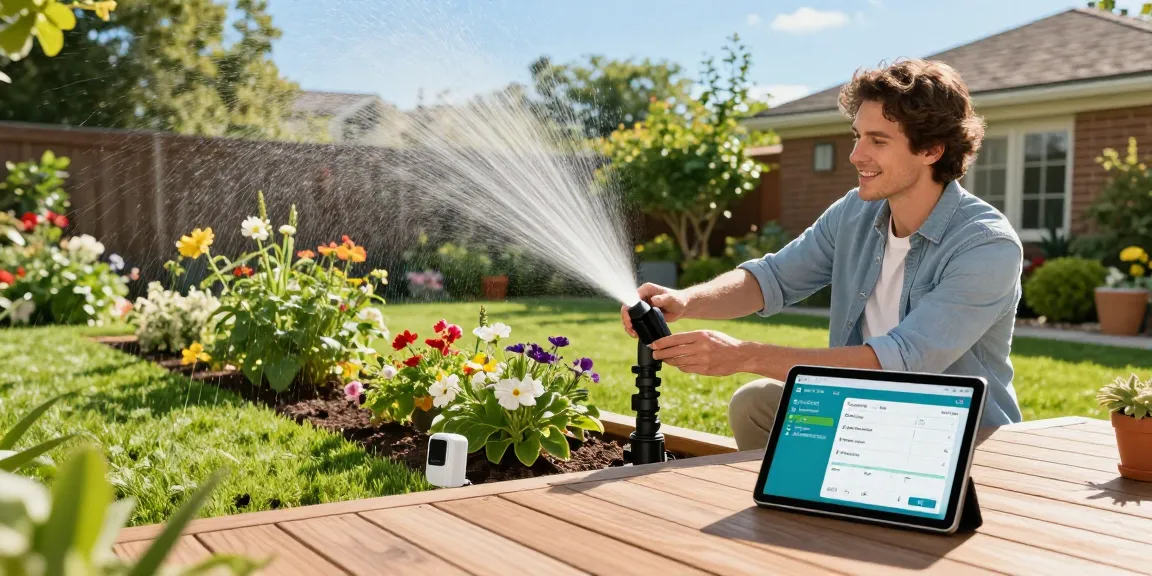
The Rainpoint automatic watering system is revolutionizing the way both amateur and professional gardeners manage their irrigation needs. In a world where water conservation is becoming increasingly critical, this innovative solution offers a smart, efficient, and user-friendly approach to plant care. By leveraging advanced technologies, the Rainpoint system not only simplifies the watering process but also ensures that plants receive just the right amount of water they need to thrive. When exploring options, the rainpoint automatic watering system provides comprehensive insights into managing your gardens sustainably.
What Is the Rainpoint Automatic Watering System?
The Rainpoint automatic watering system is an integrated irrigation solution designed for hassle-free scheduling and monitoring of watering tasks. This system is particularly beneficial for those with multiple garden zones or various types of plants, as it allows individualized watering schedules tailored to each zone’s specific moisture needs. Equipped with advanced features such as soil moisture sensors and WiFi connectivity, it aims to optimize water usage and promote healthier plant growth.
Key Features and Benefits of Rainpoint Systems
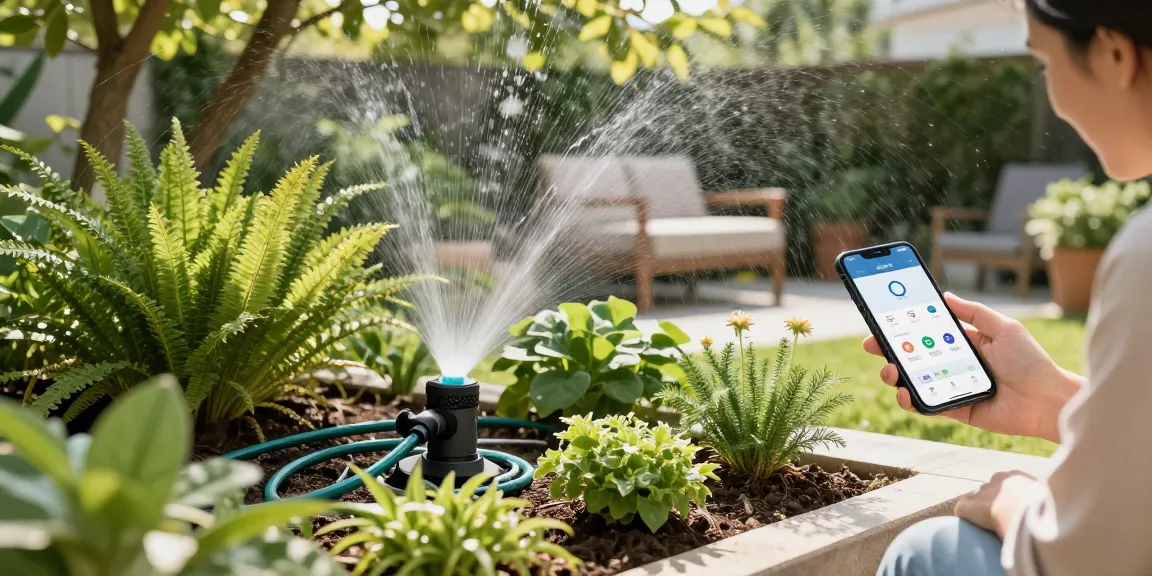
- Integration with Smart Technology: The system can be controlled through a smartphone application, allowing users to adjust settings and schedules remotely.
- Soil Moisture Sensors: These sensors monitor the soil’s moisture levels in real time, ensuring that plants are watered only when necessary, which significantly conserves water.
- Customizable Watering Schedules: Users can create specific watering routines based on their garden’s unique needs.
- User-Friendly Design: The installation process is straightforward, making it accessible for all gardening skill levels.
- Water Consumption Monitoring: The system provides detailed reports on water usage, helping users identify inefficiencies and adjust their practices accordingly.
How the System Works: A Technical Overview
At the core of the Rainpoint automatic watering system is a sophisticated network of sensors and smart controllers. The system’s hub connects to both the sensors in the garden and the user’s smartphone, allowing for a seamless exchange of data. When the soil moisture sensors detect a decrease in moisture levels, the system automatically activates the irrigation process. This automated approach not only saves time but also ensures that plants receive adequate hydration even when the gardener is away.
Installation and Setup for Success
Installing and setting up the Rainpoint system is relatively easy and can be accomplished in just a few steps. Proper installation is crucial for maximizing efficiency and ensuring the system functions as intended.
Step-by-Step Guide to Installing Your Rainpoint System
- Choose the Right Location: Determine where to install your watering system based on the layout of your garden and the types of plants.
- Set Up the Hub: Connect the central hub to your WiFi network and ensure it’s placed in a location that can effectively communicate with both the sensors and your smartphone.
- Install Soil Sensors: Position the soil moisture sensors in various zones around your garden to obtain accurate readings. They should be buried within the soil at the root level of your plants.
- Connect the Irrigation System: Attach hoses and sprinklers to the hub according to the specific needs of your garden layout.
- Download the Smartphone App: Install the Rainpoint app on your device, allowing you to control and monitor your system easily.
Common Installation Challenges and Solutions
Even with a user-friendly design, some gardeners may encounter challenges during installation. Common issues include WiFi connectivity problems or improper sensor placement. To address these, ensure your hub is within range of your WiFi signal and that soil sensors are installed correctly to prevent inaccuracies in moisture readings.
Setting Up the Smartphone App for Optimal Use
The Rainpoint app is a powerful tool that enhances the functionality of the watering system. After downloading, users should create an account and follow the prompts to connect their devices. Key features include the ability to set watering schedules, receive notifications about changes in moisture levels, and monitor water usage over time. Familiarizing yourself with the app will significantly improve your experience and ensure efficient management of your garden.
Using the Rainpoint System Effectively
Getting the most out of your Rainpoint system involves understanding how to tailor its features to suit your specific gardening needs.
Creating Custom Watering Schedules
One of the standout features of the Rainpoint system is the ability to create customized watering schedules. By analyzing your garden’s specific requirements, you can set watering times that align with the needs of different plants, taking into account factors such as sun exposure and plant type. This customization helps in preventing overwatering and ensures plants receive the right amount of hydration throughout the seasons.
Monitoring and Adjusting Moisture Levels
Regularly monitoring moisture levels is essential to maintaining healthy plants. The Rainpoint system allows users to track moisture levels through the app, providing insights on when plants may need watering. Adjusting schedules based on this information promotes better plant health and optimizes water conservation.
Utilizing Soil Sensors for Precision Watering
Soil sensors are integral to the Rainpoint system’s functionality. By setting specific moisture thresholds within the app, you can ensure that the system only activates when the soil moisture drops below an optimal level. This feature is particularly beneficial for preventing both underwatering and overwatering, leading to healthier plants and efficient water usage.
Maximizing Water Efficiency and Sustainability
Water conservation is a critical aspect of modern gardening. The Rainpoint system implements several strategies to maximize water efficiency, making it a sustainable choice for eco-conscious gardeners.
How the Rainpoint System Saves Water
The Rainpoint automatic watering system incorporates technology that responds to real-time soil conditions and weather forecasts. By using data from soil moisture sensors and adjusting watering schedules accordingly, the system significantly reduces unnecessary water waste. Additionally, the ability to detect rainfall or other environmental changes enables the system to skip watering when it’s not needed, further conserving water.
Best Practices for Eco-Friendly Gardening
- Use Native Plants: Native plants require less water compared to non-native species and are generally better adapted to local climate conditions.
- Mulching: Applying mulch helps retain soil moisture and reduce evaporation.
- Rainwater Harvesting: Consider integrating a rainwater collection system to supplement your garden’s water supply.
- Monitor Weather Patterns: Use the app to adjust your watering schedule based on current weather conditions.
Real-Life Examples of Successful Water Savings
Many users of the Rainpoint system have reported significant water savings. For instance, one gardener noted a reduction in their water bill by nearly 30% after implementing the system, thanks to efficient watering practices. These success stories highlight the system’s potential not only for promoting plant health but also for contributing to a more sustainable gardening practice.
Future Trends in Automatic Watering Systems
As technology continues to advance, the future of automatic watering systems looks promising. Innovations in sensors, AI, and data analytics are expected to play a significant role in how we manage watering systems in our gardens.
Emerging Technologies in Irrigation for 2026 and Beyond
Future watering systems will likely integrate artificial intelligence to provide even more precise watering operations. This includes analyzing weather patterns in real time, predicting plant needs based on growth stages, and adjusting watering schedules autonomously. As smart home technology continues to evolve, the integration of irrigation systems with other smart devices will offer gardeners unparalleled control over their gardens.
Consumer Preferences Shaping Smart Gardening Solutions
Consumer preferences are increasingly gravitating towards eco-friendly and efficient solutions. As the awareness of climate change and water scarcity grows, products that promote sustainability—such as the Rainpoint automatic watering system—are becoming more desirable among gardeners. This shift is driving innovation within the industry, encouraging companies to develop even more advanced features that align with consumer values.
Expert Predictions for Watering System Innovations
Experts predict that future watering systems will not only become more automated but also more intuitive. This includes the potential for integration with health-monitoring applications, allowing gardeners to receive alerts and insights about their plants’ specific needs based on moisture and nutrient levels. Innovations like these will not only enhance plant care but also facilitate deeper engagement with gardening as a hobby.
What are the main benefits of the Rainpoint automatic watering system?
The primary benefits include significant water conservation, customizable watering schedules, and ease of use. The integrated soil sensors and smartphone application provide gardeners the tools they need to optimize their irrigation practices effectively.
How can I monitor my watering schedule effectively?
Utilize the Rainpoint smartphone app to set notifications and alerts for watering schedules and soil moisture levels. This real-time monitoring enables swift adjustments based on current conditions, ensuring your plants receive the care they need.
What maintenance is required for the Rainpoint system?
Regularly check soil sensors for dirt and debris, ensuring they provide accurate readings. Additionally, inspect hoses and connectors for any leaks or blockages that may affect system performance.
Are Rainpoint products suitable for all types of plants?
Yes, Rainpoint products are versatile and can be adjusted to suit a wide variety of plants, from indoor potted plants to extensive outdoor gardens. Customization options make them suitable for diverse gardening needs.
How does the Rainpoint system compare to traditional gardening methods?
Compared to traditional methods, the Rainpoint system offers greater precision and efficiency in watering. It reduces the time spent on manual watering tasks, conserves water, and promotes healthier plant growth through targeted irrigation.