Understanding Smart Sprinklers: Revolutionizing Garden Care
In an age where water conservation and efficient gardening practices are becoming paramount, smart sprinklers have emerged as a game-changer for garden enthusiasts and casual homeowners alike. These innovative devices not only streamline the watering process but also support sustainable gardening efforts. With advanced technology and user-friendly interfaces, smart sprinklers allow you to manage your garden’s hydration needs remotely and effectively. When exploring options, smart sprinkler solutions can provide comprehensive insights that enhance your gardening experience.
What is a Smart Sprinkler?
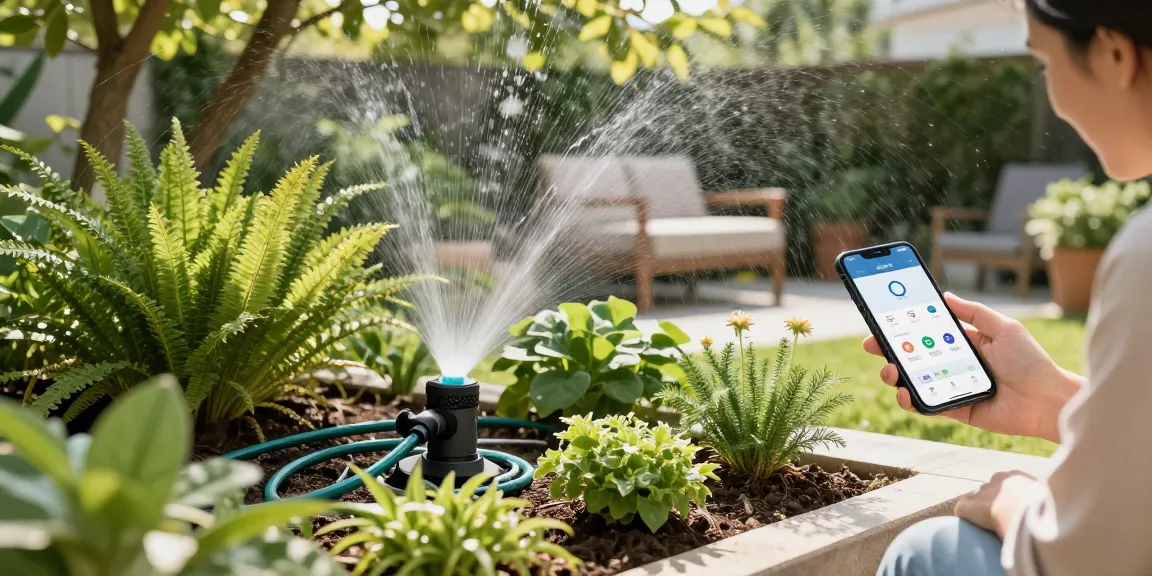
A smart sprinkler is an advanced irrigation system that uses technology to automate and optimize how your garden is watered. Unlike traditional systems, smart sprinklers can adjust watering schedules based on real-time weather data and soil moisture levels. These devices can be controlled via smartphone apps, allowing gardeners to manage their irrigation systems from anywhere, ensuring that plants receive the right amount of water, at the right time.
Key Features of Smart Sprinklers
- Weather Adaptability: Smart sprinklers can take into account rainfall and temperature changes, adjusting watering schedules accordingly to prevent overwatering.
- Remote Control: Most systems come with smartphone applications that allow users to monitor and control their sprinklers from afar.
- Soil Moisture Sensors: These sensors measure the moisture levels in your soil, helping ensure that watering occurs only when necessary.
- Custom Scheduling: Users can set specific watering schedules based on plant types, seasons, and growth stages, promoting healthier plants.
The Technology Behind Smart Irrigation
Smart irrigation technology integrates various components such as sensors, weather forecasts, and data analytics. These elements work together to create an efficient watering schedule tailored to your garden’s unique needs. By utilizing IoT (Internet of Things) technology, smart sprinklers communicate data and adapt to environmental changes in real-time, drastically reducing water wastage and optimizing plant health.
Benefits of Using Smart Sprinklers in Your Garden
Water Conservation and Sustainability
One of the most significant advantages of smart sprinklers is their capability to conserve water. Conventional irrigation methods often lead to excessive water use due to timers running regardless of weather conditions. In contrast, smart sprinklers utilize data from local forecasts and soil moisture readings to minimize water use. This not only conserves precious resources but also promotes sustainable gardening practices, leading to long-term environmental benefits.
Improved Plant Health and Growth
Plants thrive with consistent and appropriate watering. Smart sprinklers help maintain optimal soil moisture levels, which is crucial for root development and overall plant health. By preventing over or under-watering, these systems foster healthier gardens, leading to vibrant blooms and bountiful harvests. Moreover, with precise watering schedules, plants can better absorb nutrients, resulting in robust growth and resilience against pests and diseases.
Time-Saving and Convenience
For busy homeowners or those with expansive gardens, smart sprinklers offer a convenient solution to irrigation. Once set up, users can forget about their watering schedules. Many systems allow for programmable watering cycles that can be adjusted remotely. This hands-off approach frees up time for other gardening tasks or personal activities, making it easier to enjoy a flourishing garden without constant attention.
Common Challenges and Misconceptions About Smart Sprinklers
High Initial Costs Versus Long-Term Savings
A common misconception surrounding smart sprinklers is that they are prohibitively expensive. While the initial cost may be higher compared to traditional systems, the long-term savings on water bills and the benefits of healthier plants often outweigh the upfront investment. Additionally, many states offer rebates and incentives for water-saving devices, making smart sprinklers an economically wise choice.
Installation Complexity: What to Expect
Many potential users worry about the installation complexity of smart sprinklers. However, with recent advancements, most systems are designed for easy installation, often requiring little more than basic tools and an understanding of your garden layout. Detailed instructions and customer support are commonly available to assist new users, ensuring a smooth setup experience.
Weather Effects on Smart Irrigation Performance
Some skeptics doubt the reliability of smart irrigation systems in varying weather conditions. However, these systems are equipped with features to adapt to weather changes effectively. For example, if rain is forecasted, the smart sprinkler can suspend watering schedules, ensuring that your plants are not overwatered. The use of predictive analytics further enhances these systems’ effectiveness, allowing for adjustments based on historical weather patterns.
Best Practices for Implementing Smart Sprinkler Systems
Choosing the Right System for Your Needs
Selecting a smart sprinkler system requires careful consideration of your garden’s specific requirements. Factors such as garden size, types of plants, soil conditions, and local climate play essential roles in determining the ideal setup. Look for systems that offer flexibility and customization options to match your gardening goals.
Setting Up and Configuring Your Smart Sprinkler
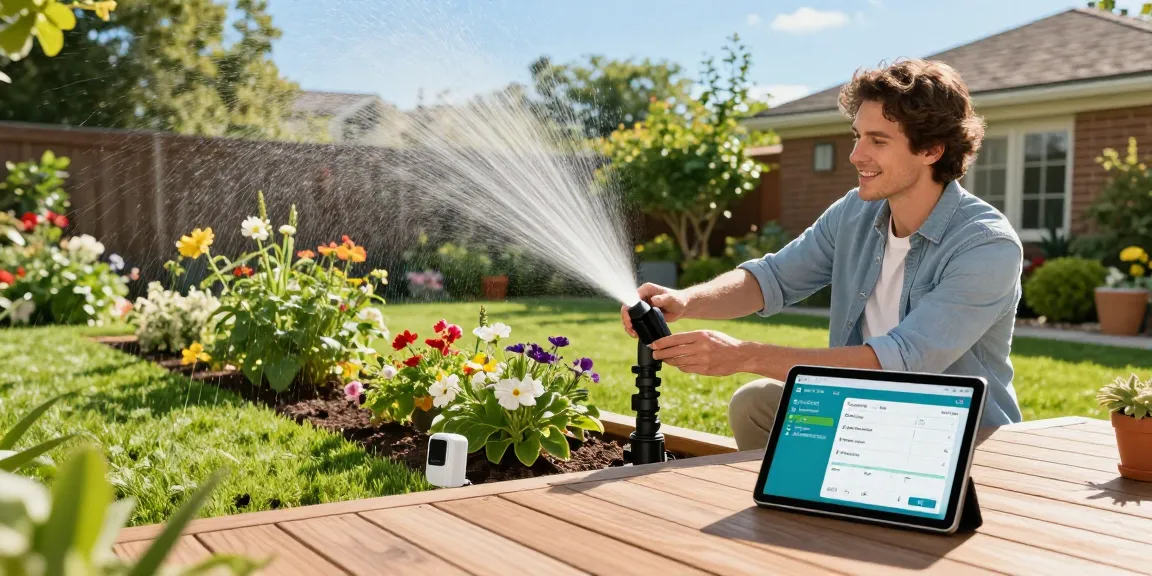
After selecting a suitable smart sprinkler, follow the manufacturer’s guidelines for setup. This typically involves installing the sprinklers, connecting them to your home’s Wi-Fi network, and downloading the associated app. Once configured, spend some time exploring the app’s features, ensuring you understand how to create schedules and adjust settings as necessary.
Monitoring and Adjusting for Optimal Performance
Once your smart sprinkler is operational, regularly monitor its performance. Check soil moisture levels and review watering data provided by the app. Be proactive in adjusting settings based on changing weather conditions or plant needs. Regular evaluation ensures your garden receives optimal care and prevents issues such as waterlogging or drought stress.
Future Trends in Smart Irrigation Technology (2026 and Beyond)
Integrating AI and IoT for Enhanced Efficiency
The future of smart irrigation is set to embrace even more advanced technologies. With the integration of artificial intelligence (AI) and deeper IoT capabilities, smart sprinklers will become increasingly adept at learning plant needs and predicting water requirements based on not just current but also historical data. This evolution will lead to even greater efficiency and conservation efforts in gardening practices.
Smart Sprinkler Innovations on the Horizon
Expect to see innovations such as advanced sensors that can not only measure soil moisture but also analyze nutrient levels and plant health. Future smart sprinklers may come equipped with features that allow them to communicate with other smart devices in your home, creating a fully integrated smart gardening ecosystem.
Environmental Impacts and Regulatory Developments
As water scarcity becomes a more pressing issue, governments worldwide might introduce stricter regulations on water usage. This will likely drive the adoption of smart sprinklers as a standard in gardening and landscaping. Homeowners adopting these technologies can take pride in contributing to water conservation efforts, making smart sprinklers both a practical and socially responsible choice.
How Do Smart Sprinklers Work?
Smart sprinklers utilize an interconnected system of software, sensors, and irrigation devices to automate the watering process. By monitoring environmental conditions and soil moisture levels, they can determine the optimal watering schedule for your garden. This precise control minimizes waste and ensures plants receive adequate hydration.
What Are the Cost Benefits of Using Smart Sprinklers?
Investing in smart sprinklers can lead to substantial cost savings on water bills over time. The precise watering schedules and moisture monitoring capabilities not only reduce water usage but can also enhance plant growth, leading to healthier gardens and less need for replacements. Many users report a decrease in their water expenses after adopting these systems.
Can Smart Sprinklers Be Used with Existing Systems?
Yes, many smart sprinklers are designed to integrate seamlessly with existing irrigation systems. This adaptability allows homeowners to upgrade their water management without completely overhauling their current setups. Such integration can provide immediate benefits without requiring a hefty investment in new infrastructure.
What Maintenance Is Required for Smart Sprinklers?
Maintenance for smart sprinklers is generally minimal. Regularly check sensors to ensure they are functioning correctly, clean filters, and inspect hoses for leaks. Most systems will also benefit from occasional software updates to maintain optimal performance and security.
Are Smart Sprinklers Suitable for All Climate Types?
Smart sprinklers can be customized for various climate conditions. While their primary function is to conserve water, they can also be programmed to account for differences in rainfall, humidity, and temperature. This adaptability makes them suitable for a wide range of environments, ensuring that every garden can benefit from the advancements in irrigation technology.