Understanding Smart Locks
In today's rapidly evolving home technology landscape, smart locks have emerged as a revolutionary solution to enhance security and convenience. These advanced locking systems allow homeowners to manage access to their properties through smartphones, biometric scanning, and various digital means. With the growing popularity of smart home devices, understanding the role and advantages of smart locks becomes essential for anyone looking to improve their home security.
When exploring options, خرید قفل هوشمند provides comprehensive insights into the best products available in the market.
What Are Smart Locks?
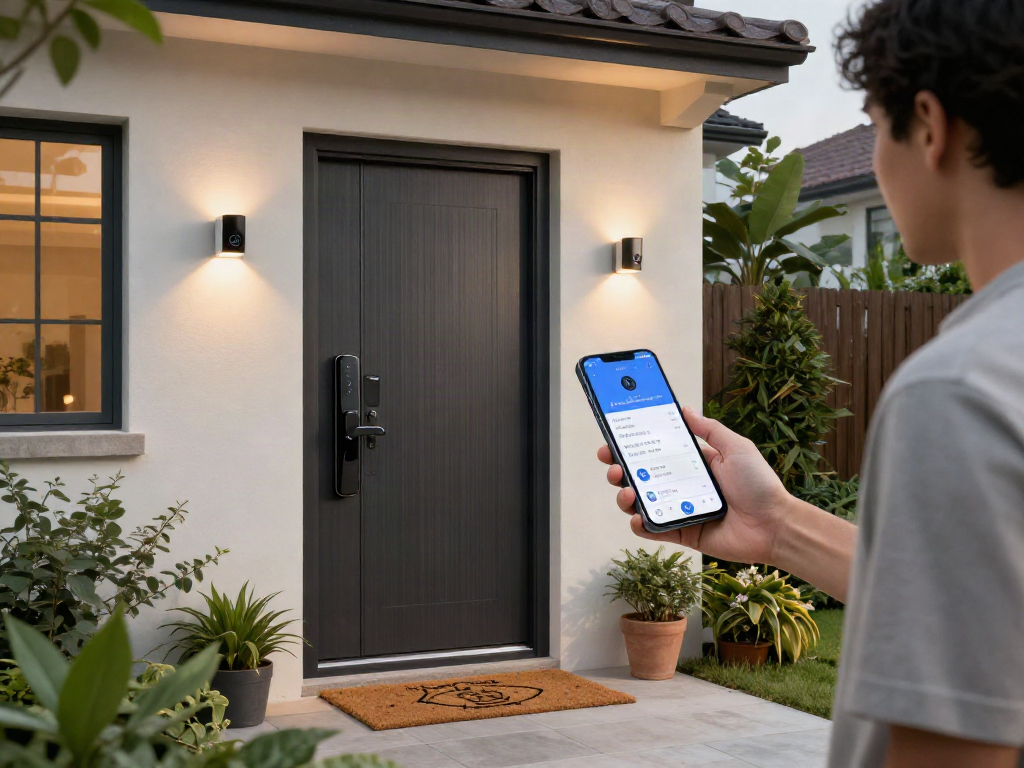
Smart locks are innovative locking mechanisms that can be controlled remotely via smartphones, tablets, or computers. Unlike traditional locks, which rely solely on physical keys, smart locks incorporate electronic components and internet connectivity, allowing users to lock or unlock doors from virtually anywhere. They often come equipped with features such as keyless entry, remote access, and activity logs, providing a seamless integration with modern smart home systems.
Benefits of Using Smart Locks
- Convenience: Say goodbye to fumbling with keys. Users can lock and unlock their doors with a tap on their smartphones or through voice commands.
- Enhanced Security: Smart locks come with advanced security features such as two-factor authentication, alerts for unauthorized access attempts, and 24/7 monitoring.
- Remote Access: Homeowners can grant access to guests or service providers without being physically present, making it ideal for vacation rentals or emergency situations.
- Integration with Smart Home Systems: Smart locks can be easily integrated into broader home automation systems, allowing users to create customized routines and schedules for locking and unlocking doors.
Types of Smart Locks Available
Smart locks come in various designs and use cases, catering to different security needs:
- Keypad Locks: These locks require a numeric code to unlock, eliminating the need for physical keys.
- Bluetooth Locks: These locks connect to smartphones via Bluetooth, allowing users to unlock their doors when in proximity.
- Wi-Fi Locks: Offering remote access from anywhere with internet connectivity, Wi-Fi locks are ideal for homeowners who frequently travel.
- Smart Deadbolts: These can replace traditional deadbolts and often include features like compatibility with existing keys alongside smart technologies.
How to Choose the Right Smart Lock
Choosing the perfect smart lock for your home involves considering various factors that cater to your specific needs and security requirements.
Factors to Consider for Your Home
Before making a purchase, evaluate the following factors:
- Security Features: Look for locks with two-factor authentication, automatic locking features, and alert notifications.
- Compatibility: Ensure the smart lock you choose is compatible with your existing door hardware and smart home system.
- Ease of Use: Opt for user-friendly interfaces, whether that means an intuitive mobile app or an easy-to-use keypad.
- Battery Life: Consider locks with long-lasting battery life or those that can function with backup power options.
Comparing Smart Lock Features
When comparing smart locks, examine the following features to find the best match for your home:
- Remote access capabilities
- Durability and weather resistance
- Integration with home automation systems
- Customer service and warranty options
Top Brands for خرید قفل هوشمند
Several reputable brands dominate the smart lock market, each offering unique features and reliability. Some of the top contenders include:
- August: Known for its retrofitting capabilities and solid integration with smart home systems.
- Schlage: Offers a range of durable locks with user-friendly features and extensive compatibility.
- Yale: Combines traditional lock aesthetics with modern technology for a classy look and smart features.
- Kwikset: Features customizable options and high security, appealing to various user preferences.
Installation Process for Smart Locks
Understanding the installation process is crucial to ensure your smart lock functions correctly. Depending on the lock type, installation can be a DIY task or require professional assistance.
Steps for DIY Installation
If you prefer a DIY approach, follow these general steps:
- Remove the existing lock: Unscrew and take off your traditional lock carefully.
- Install the smart lock: Follow the manufacturer’s instructions to mount the smart lock, ensuring it aligns with the door latch and strike plate.
- Connect to Wi-Fi or Bluetooth: Follow the setup process in the corresponding app to link your lock.
- Test functionality: Check whether the lock and associated app work as expected.
When to Hire a Professional
If you're uncomfortable with DIY installations or face compatibility issues with existing hardware, hiring a professional can save you time and guarantee a secure installation. Licensed locksmiths can provide not only installation services but also advice on the best products for your specific needs.
Common Installation Problems and Solutions
Common issues during installation may include:
- Misalignment with the strike plate: Ensure proper alignment to avoid locking issues.
- Battery installation: Make sure the batteries are installed correctly and securely.
- Connectivity problems: Keep your lock within range of the router for wireless features to function.
Enhancing Security with Smart Locks
Smart locks can significantly enhance your home's overall security, especially when integrated with other security systems.
Integrating Smart Locks with Home Security Systems
For maximum security, consider integrating your smart lock with surveillance cameras, motion detectors, and alarm systems. This allows for comprehensive monitoring and alert systems, where you can receive notifications directly on your smartphone if any suspicious activity is detected.
Best Practices for Securing Access
To ensure your smart lock remains secure:
- Regularly update access codes and passwords.
- Enable alerts for any unauthorized access attempts.
- Use two-factor authentication where available.
- Regularly check and update firmware to patch any security vulnerabilities.
Future Trends in Smart Lock Technology
As technology continues to evolve, the smart lock industry is expected to see innovations such as:
- Increased biometric options, including facial recognition and advanced fingerprint scanning.
- Integration with AI for proactive security measures.
- Enhancements in energy efficiency and battery longevity.
- More robust cybersecurity measures to prevent hacking attempts.
Maintaining Your Smart Lock
Like any technology, smart locks require maintenance to ensure their longevity and efficiency. Regular upkeep can help prevent potential issues and enhance security.
Regular Maintenance Tasks
Regular maintenance should include:
- Cleaning the lock, including sensors and keypads, to prevent dirt buildup.
- Checking battery levels and replacing them as needed.
- Examining installation and functionality to ensure everything operates smoothly.
Troubleshooting Common Issues
Some issues users may encounter include:
- Lock unresponsive: Check battery status and ensure the device is within range of the network.
- Failed attempts to unlock: Ensure the app is updated and check for any connectivity issues.
- Door misalignment: Adjust the door hinges if the lock does not engage correctly.
Upgrading Firmware and Software
To keep your smart lock secure, regularly check for firmware and software updates. Many locks can be updated through their smartphone applications, ensuring you have the latest security features.
What Are the Top Concerns with Smart Lock Security?
While smart locks offer numerous benefits, some concerns include:
- Cybersecurity threats, such as hacking of wireless signals.
- Battery failures that may lock users out.
- Dependence on technology that may malfunction or become obsolete.
How Do Smart Locks Compare to Traditional Locks?
Smart locks provide advanced features and convenience that traditional locks cannot match, such as remote access, activity logs, and the ability to change codes easily. However, traditional locks can be more reliable in terms of simplicity and lack of power dependency.
What Features Should I Look For in a Smart Lock?
When selecting a smart lock, consider:
- Durability and weather resistance
- Integration with existing home automation systems
- User-friendly app and interface
- Security protocols, such as encryption and authentication measures
Can Smart Locks Be Hacked?
While no system is infallible, smart locks that utilize strong encryption and robust security measures are significantly more secure than traditional locks. Regular updates and good password practices are essential to minimize hacking risks.
What is the Price Range for Smart Locks?
The cost of smart locks can vary widely, typically ranging from $100 to $300, depending on features and brand quality. Advanced models with additional features may be priced higher, but they often offer better security and convenience.
What Makes a Smart Lock Worth Investing In?
Ultimately, a smart lock is worth the investment if it offers enhanced security, convenience, and the ability to integrate with other smart home devices. For many homeowners, the peace of mind and control that smart locks provide outweigh the initial costs.