
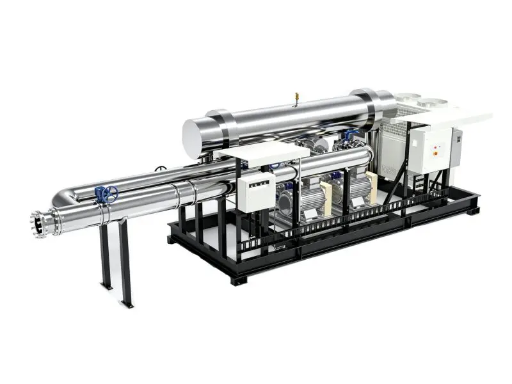
As energy costs continue to increase, businesses and industries are searching for reliable and cost-effective power generation solutions. At the same time, the need for sustainable energy sources has encouraged organizations to explore renewable alternatives.
Biogas power generation has emerged as an effective solution that combines energy production with waste management. By converting organic materials into usable fuel, biogas generators help businesses reduce energy expenses, improve efficiency, and create a more sustainable approach to power generation.
Understanding Biogas Power Generation
Biogas power generation is the process of converting biogas into electricity through advanced generator systems. Biogas is produced when organic materials such as agricultural waste, food waste, and wastewater break down naturally in an oxygen-free environment.
The collected gas can be used as a renewable fuel source to generate electricity. This allows organizations to transform waste materials into valuable energy resources instead of treating them as disposal problems.
How Biogas Generators Work
Biogas generators are designed to convert biogas into electrical power through an internal combustion process. The generator uses the energy contained in biogas to produce electricity for different applications.
These systems are commonly used in:
- Farms and agricultural facilities
- Waste treatment plants
- Food processing industries
- Manufacturing facilities
- Commercial energy projects
By producing electricity on-site, biogas generators help organizations improve energy independence and reduce reliance on traditional power sources.
Economic Benefits of Biogas Power Generation
Lower Energy Costs
One of the biggest advantages of biogas power generation is the ability to reduce electricity expenses. Businesses that produce their own biogas can generate power directly at their facilities.
This reduces dependence on external electricity suppliers and helps organizations control long-term energy costs.
Turning Waste Into Value
Waste disposal can be expensive for many industries. Biogas technology creates an opportunity to convert waste materials into a useful energy source.
Instead of spending money on waste management alone, organizations can produce electricity and gain additional economic benefits from their resources.
Reduced Fuel Expenses
Traditional fuels often experience price changes that affect operational budgets. Biogas provides a more stable renewable fuel option, especially for facilities with access to organic waste resources.
Using biogas generators allows businesses to utilize locally available materials and reduce fuel purchasing costs.
Improved Energy Efficiency with Biogas CHP
Combined Heat and Power (CHP) technology improves the economic value of biogas systems by producing electricity and useful heat together.
A biogas CHP system captures heat generated during electricity production and uses it for practical applications such as:
- Heating buildings
- Producing hot water
- Supporting industrial processes
- Agricultural operations
This improves overall efficiency and allows businesses to gain more value from the same amount of fuel.
Additional Revenue Opportunities
Biogas projects can create new financial opportunities beyond energy savings. Organizations may benefit from:
- Selling excess electricity
- Reducing waste treatment costs
- Improving resource management
- Supporting sustainability programs
This makes biogas power generation not only an energy solution but also a potential business opportunity.
Benefits for Different Industries
Agriculture Sector
Farms produce large amounts of organic waste that can be converted into biogas. By using biogas generators, agricultural businesses can create their own electricity while managing waste effectively.
The recovered heat from biogas CHP systems can also support farming operations, making the entire process more efficient.
Food Processing Industry
Food processing facilities generate significant organic waste. Biogas technology allows these businesses to reduce disposal costs and create renewable energy at the same time.
This helps improve operational efficiency and supports environmental goals.
Waste Management Facilities
Waste treatment plants can use biogas systems to capture gases produced during decomposition. Instead of releasing these gases, facilities can convert them into electricity.
This creates an effective cycle of waste reduction and energy production.
Environmental Advantages That Support Economic Growth
Although the main focus of biogas power generation is energy production, it also provides environmental benefits that can support long-term economic goals.
Biogas systems help:
- Reduce organic waste
- Lower greenhouse gas emissions
- Improve resource efficiency
- Support renewable energy development
These advantages can help organizations meet sustainability targets while improving operational performance.
Factors to Consider Before Investing in Biogas Systems
Before installing a biogas power system, organizations should evaluate:
- Available waste resources
- Expected energy demand
- System size requirements
- Maintenance needs
- Long-term financial goals
A properly planned system ensures maximum efficiency and better economic returns.
The Future of Biogas Energy Generation
The demand for renewable energy solutions is expected to continue growing as industries focus on sustainability and energy independence.
Advancements in biogas technology, generator efficiency, and energy recovery systems are making biogas power generation more practical and affordable.
With improvements in biogas CHP and biogas generators, more businesses will be able to produce clean energy while reducing operational costs.
Conclusion
Biogas power generation provides significant economic advantages by reducing energy expenses, improving efficiency, and transforming waste into a valuable resource.
Through advanced solutions such as biogas CHP and biogas generators, organizations can achieve reliable power generation while creating a more sustainable and cost-effective energy future.