Understanding Oil Centrifuge Technology
Oil centrifuge technology is a critical innovation in modern industrial processes, enabling efficient separation of oil from contaminants and enhancing product quality. By employing centrifugal force, these machines effectively handle various oil types, ensuring that businesses across different sectors can achieve optimal operational efficiency. This article will explore the intricacies of oil centrifuge technology, its applications, and how it can improve your operations when utilized effectively. When exploring options, oil centrifuge systems offer advanced solutions for various industrial needs.
What Is an Oil Centrifuge?
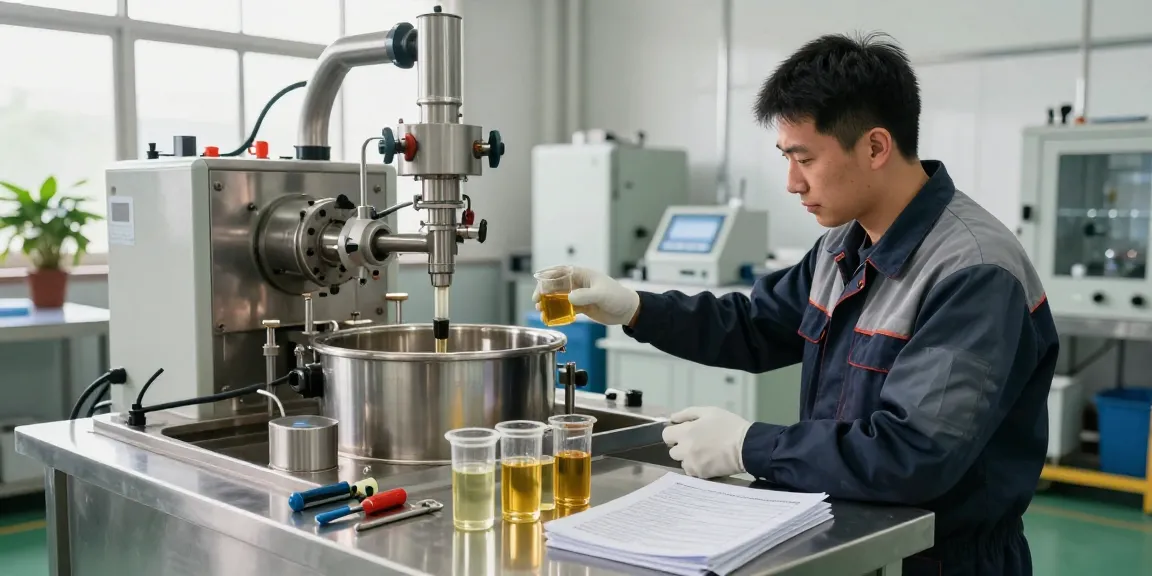
An oil centrifuge is a specialized machine designed to separate oil from impurities, such as dirt, water, and other particulate matter, by utilizing centrifugal force. The process involves spinning the mixture at high speeds, causing denser impurities to move outward and be deposited in a collection chamber, while the clean oil remains in the center. This technology is widely used in industries ranging from automotive to food processing.
Key Components of Oil Centrifuges
Understanding the main components of an oil centrifuge can help users appreciate how these machines operate and how they can be maintained for optimal performance. The primary components include:
- Rotating Drum: This is the central part of the centrifuge where the separation takes place. It spins at high speeds to generate centrifugal force.
- Drive Mechanism: This consists of motors and gears that facilitate the rotation of the drum.
- Feed System: The mechanism that introduces the oil and contaminants into the drum.
- Discharge System: This expels the separated oil and collected impurities.
- Control Panel: A user interface to operate and monitor the centrifuge’s functions.
The Science Behind Centrifugal Separation
The science behind centrifugal separation is rooted in physics. When a mixture is subjected to rapid rotation, the particles within it experience forces acting outwardly due to inertia. The heavier particles (impurities) are forced to the outer edge of the drum, while lighter particles (oil) remain closer to the center, allowing for effective separation. This process not only enhances the purity of the oil but also extends its usability in various applications.
Types of Oil Centrifuges and Their Applications
There are multiple types of oil centrifuges designed for different separation needs, including batch centrifuges and continuous centrifuges. Each type is tailored to specific industrial applications, allowing businesses to select the most appropriate solution for their operational requirements.
Centrifuge Types: Batch vs. Continuous
Batch centrifuges process oil in discrete batches, making them suitable for industries with varying production volumes. In contrast, continuous centrifuges provide a constant flow of oil, ideal for high-volume applications where efficiency is paramount. Understanding the differences between these types can help companies make informed decisions aligned with their production demands.
Industrial Applications of Oil Centrifuges
Oil centrifuges find applications across numerous industries. Some notable uses include:
- Food Processing: Used to clarify oils and fats, ensuring high-quality edible oils.
- Automotive: Employed to clean engine oil and extend its lifespan.
- Marine: Utilized for purifying lubricants in ship engines, ensuring safe operations at sea.
- Oil and Gas: Essential for separating crude oil from water and sediments.
Choosing the Right Type for Specific Needs
When selecting an oil centrifuge, it is crucial to consider factors such as the type of oil being processed, the desired purity level, and the volume of production. Collaborating with experienced suppliers can provide valuable insights into the optimal centrifuge design for your industrial needs.
Benefits of Using Oil Centrifuges
Investing in oil centrifuge technology can yield several benefits that significantly enhance operational efficiency and product quality. Here are some key advantages:
Efficiency and Quality Improvement
Oil centrifuges drastically improve the efficiency of separation processes. By reducing the downtime required for cleaning and maintenance, businesses can maximize productivity. Additionally, the capability to achieve high levels of purification enhances the overall quality of the oil produced, which is pivotal in maintaining compliance with industry standards.
Cost-Effectiveness and Sustainability
Implementing an oil centrifuge can lead to substantial cost savings over time. By extending the lifespan of oil and reducing waste, companies can lower their operational expenses. Moreover, effective separation contributes to sustainability efforts by minimizing the environmental impact associated with oil disposal.
Enhancing Safety Standards in Oil Processing
Oil centrifuges also play a vital role in enhancing safety standards within processing facilities. By efficiently removing impurities from oil, the risk of equipment failures and hazardous incidents is significantly reduced. This not only protects the workforce but also improves the overall safety of industrial operations.
Best Practices for Selecting an Oil Centrifuge
To achieve the best results, organizations must adopt best practices when selecting an oil centrifuge. Here are several key considerations:
Assessing Your Processing Needs
Understanding the specific requirements of your production process is crucial. Factors such as the type of oil, contamination levels, and processing volumes will inform your choice of centrifuge. Engaging with a knowledgeable supplier can help in accurately assessing these needs.
Evaluating Maintenance and Support Services
When investing in an oil centrifuge, it’s essential to consider the maintenance and support services provided by the manufacturer. A robust support system can ensure minimal downtime and maintain the optimal functioning of the centrifuge.
Making Informed Purchase Decisions
Conducting thorough research and comparing options will assist in making informed decisions. Evaluate product specifications, warranties, and customer reviews to select the best oil centrifuge for your industrial applications.
Future Trends in Oil Centrifuge Technology
As industries evolve, so does the technology used in oil centrifuges. Staying informed about future trends can help businesses adapt and innovate.
Innovations in Design and Functionality by 2026
The future of oil centrifuges promises innovations that enhance efficiency and user-friendliness. Advancements in materials and automation technology are likely to lead to machines that are not only more robust but also equipped with smarter operating systems that optimize performance in real-time.
Predicted Market Developments and Demand
With an increasing focus on sustainable practices, the demand for oil centrifuges is expected to rise. Industries will continue to seek technologies that align with environmental regulations while providing high efficiency and quality.
Impact of Technology on Environmental Sustainability
As technology advances, oil centrifuges are becoming increasingly efficient, contributing to reduced energy consumption and waste generation. This trend aligns with global sustainability goals, making oil centrifuges not only a practical choice but also a socially responsible one.
What are the main factors to consider when choosing an oil centrifuge?
Key factors include the type of oil processed, the level of contamination, production capacity, and the specific requirements of your industry. Collaboration with manufacturers can help align these factors with the right technology.
How does an oil centrifuge improve processing efficiency?
By providing rapid separation of oil from impurities, centrifuges reduce downtime and enhance throughput, ensuring that production lines operate continuously and effectively.
What types of industries benefit most from oil centrifuges?
Industries such as automotive, food processing, marine, and oil and gas all benefit significantly from the use of oil centrifuges, given their unique needs for oil purity and efficiency.
What maintenance is required for oil centrifuges?
Regular maintenance includes cleaning, inspection of moving parts, and timely replacements of components to prevent breakdown and ensure operational consistency.
How do I know if my operations need an oil centrifuge?
If your operations involve significant oil processing, particularly with high contamination levels, an oil centrifuge is likely necessary to maintain quality and efficiency.. Additionally, centrifuge provides further details.