Understanding the Concept of Look Alikes of Famous People
The fascination with look alikes of famous people has captured public interest for decades. From doppelgängers who provide striking resemblances to celebrities, to playful comparisons that spark conversations, this phenomenon intertwines with our cultural identity and perception of beauty. Understanding what defines a look alike, the cultural implications, and the psychology behind it can unveil why we are so drawn to these uncanny similarities.
What Defines a Look Alike?
A look alike, often referred to as a doppelgänger, is someone who bears a striking resemblance to another person, typically a celebrity. This resemblance can extend beyond mere physical traits to include mannerisms and styles. The definition can vary based on cultural contexts, with some societies placing a heavier emphasis on features such as hair color, facial structure, and overall demeanor as hallmarks of resemblance.
The Cultural Impact of Look Alikes
Look alikes have a significant cultural presence, often appearing in media, memes, and social gatherings. They inspire curiosity and humor, and sometimes even lead to celebrity encounters. The cultural impact is multifaceted, influencing fashion trends, social media engagement, and even tourism in locations known for celebrity sightings. Moreover, when exploring options, look alikes of famous people provide comprehensive insights into this intriguing subject.
Famous Examples of Celebrity Doppelgängers
- Margot Robbie and Jaime Pressly
- Leonardo DiCaprio and a soldier from World War II
- Taylor Swift and Olivia Rodrigo
- Ed Sheeran and a look-a-like contestant on a reality show
These examples highlight not only the uncanny resemblances that can exist but also show how widespread this phenomenon is across different demographics and time periods, demonstrating that these similarities often transcend generations.
How to Identify Your Celebrity Look Alike
Identifying your celebrity look alike can be a fun and light-hearted pursuit. With the proliferation of technology and social media platforms, discovering your doppelgänger has never been easier. Various apps and websites also cater to this curiosity, providing tailored experiences that allow users to visualize their likenesses next to their favorite stars.
Using Social Media and Apps Effectively
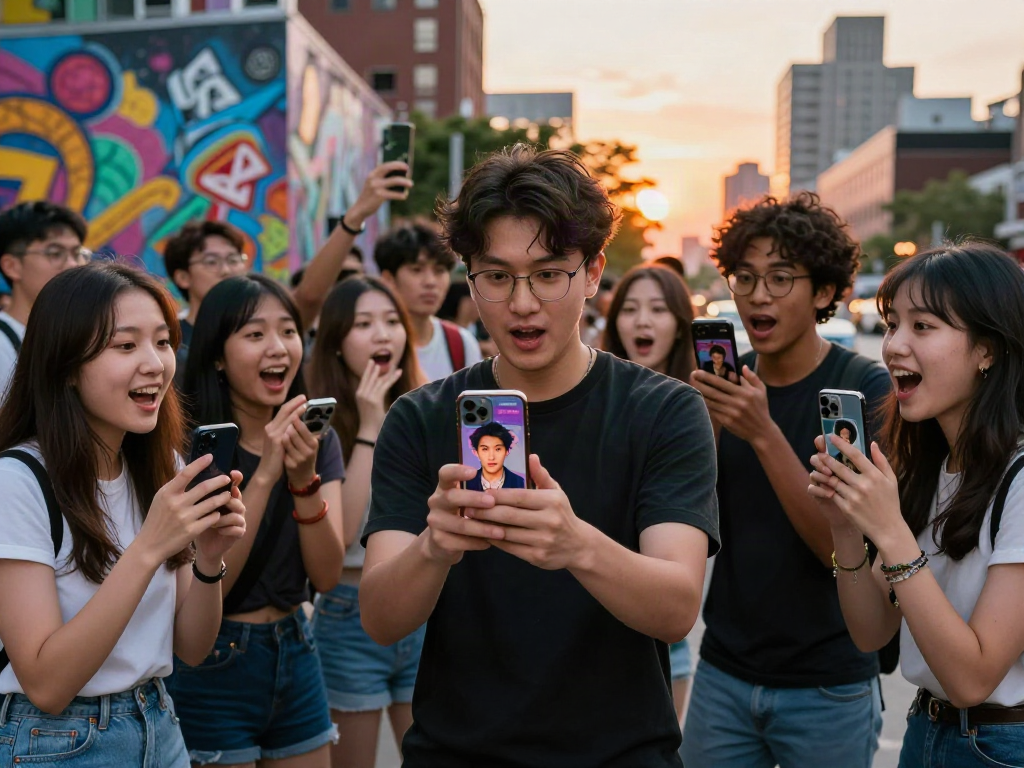
Social media platforms, such as Instagram and TikTok, have become hubs for look alike challenges. Users often share side-by-side images with celebrities, generating community engagement. There are also dedicated apps designed to analyze selfies and match them with celebrity faces, making the process interactive and enjoyable.
Engaging with Communities that Share Similar Interests
Online forums and communities, such as Reddit's r/CelebrityLookalikes, foster discussions and share stories about doppelgängers. Engaging in these communities not only helps in bonding with others who share your interests but also provides a platform to discover lesser-known look alikes.
Recognizing Traits and Features in Celebrities
To identify your own look alike, consider focusing on specific traits. Analyze facial structures, hair color, eye shape, and even expressions. Some platforms use artificial intelligence to determine these features and suggest possible matches, enhancing your chances of finding a close resemblance.
Exploring the Psychology Behind Look Alikes
The phenomenon of celebrity look alikes delves deep into psychological realms, explaining our fascination with doppelgängers. From feelings of admiration to identity reflection, look alikes play a significant role in our social consciousness.
Why Do We Seek Celebrity Doppelgängers?
Humans are inherently social beings, and our search for connection drives the desire to find look alikes. This need can stem from a sense of belonging or even the aspiration to embody the qualities of those we admire. The idea of “seeing ourselves” in a successful figure can enhance our self-esteem and personal identity.
Impact of Look Alikes on Self-Image and Identity
- Improves self-perception by aligning oneself with admired traits
- Boosts confidence when receiving compliments on resemblances
- Encourages exploration of personal style influenced by celebrity counterparts
However, this fascination can also lead to unrealistic expectations regarding beauty and personality, reflecting societal pressures to conform to celebrity standards.
Famous Studies in Psychology and Look Alikes
Numerous psychological studies investigate the allure of look alikes. One notable study by evolutionary psychologists suggests that humans may subconsciously prefer partners who resemble themselves or people they admire, as this can signify genetic compatibility and social alignment.
Celebrating Look Alikes through Pop Culture
Pop culture celebrates the phenomenon of look alikes through various mediums, reflecting our societal values and interests. Movies, television shows, and online content often highlight doppelgängers in amusing and thought-provoking ways.
How Movies and TV Shows Portray Look Alikes
From comedic films featuring mistaken identity plots to reality shows showcasing contestants competing as celebrity look alikes, the representation in media emphasizes our fascination and love for these uncanny resemblances. Such portrayals often amplify the notion of identity and beauty.
Participating in Look Alike Events and Competitions
Many communities host look alike events and competitions, where participants can showcase their doppelgänger qualities. These events often draw large crowds and provide entertainment, highlighting the cultural significance of resemblance.
Creating Content Around Look Alikes for Social Media
Creating fun content featuring look alikes can enhance social media engagement. Users can participate in challenges, create mash-up videos, or compile photo comparisons that can go viral, enhancing visibility and connection within the digital community.
The Future of Look Alikes of Famous People
The future of look alikes is bound to evolve with advancements in technology and changing cultural trends. Predictions suggest a surge in AI-driven applications that can accurately match users with their celebrity counterparts, making the identification process more entertaining.
Emerging Trends in Celebrity Look Alike Culture
As social media continues to grow, trends around celebrity look alikes adapt to new formats, such as augmented reality filters that allow users to visualize themselves as their favorite stars or even deepfake technology to explore virtual doppelgänger experiences.
Technological Innovations Affecting Identification
Technological innovations, such as facial recognition and machine learning algorithms, improve the accuracy of look alike identification. Mobile applications will likely become more sophisticated, offering users real-time comparisons and insights based on their uploaded images.
Predictions for Look Alike Phenomena in 2026 and Beyond
By 2026, we can expect a more personalized approach to look alike identification, with platforms offering tailored experiences based on user preferences and trending celebrities. The integration of AI and user-generated content will likely shape how individuals perceive and engage with their look alikes.
What are some celebrity look alikes?
Common examples include well-known pairs like Sarah Jessica Parker and Edie Falco, or less obvious doppelgängers such as the musician Hozier and actor Joe Keery. This multitude of pairs encompasses various backgrounds, showcasing the extensive nature of resemblance.
Who is the most famous doppelganger?
While it's subjective, many consider the resemblance between actors such as Zooey Deschanel and Katy Perry as one of the most talked-about doppelgänger pairs, sparking endless debates among fans.
What are some examples of look alikes?
Various pairs exist, notably in vintage photography where historical figures have striking similarities to current celebrities. Analyzing such comparisons can offer deeper insights into human traits and aesthetics.
How can I find my celebrity look alike?
Engaging with apps, social media, and online communities can provide fun ways to discover your doppelgänger. Sharing images and participating in challenges can lead to surprising results.
Are there apps that can help identify look alikes?
Many apps are available that use facial recognition technology to match users with celebrities. Tools like “StarByFace” and “Celebslike” are designed to offer users a fun way to find their famous counterparts based on uploaded selfies.